
Shopping Cart
Your shopping cart is empty.
£0.00
View Cart
Choosing the right tiling materials isn’t just about how things look, it’s key to durability, performance, and long-term upkeep. From adhesives and grout to sealers and cleaners, every choice affects how well your tiles last over time.
Adhesives: Fast Set vs Slow Set and Flexibility
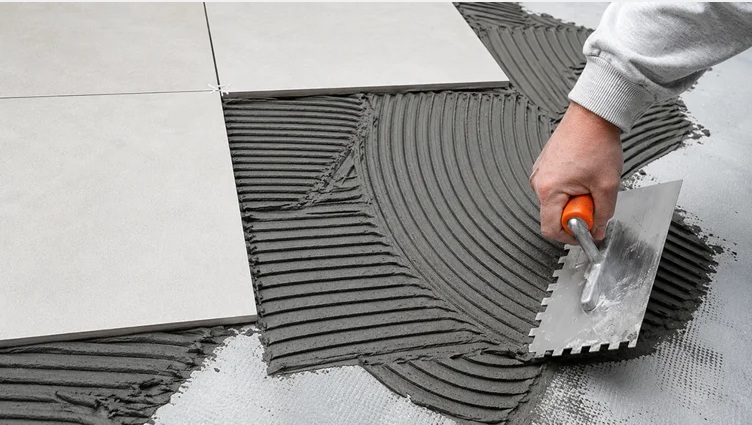
Tile adhesives fall into two main types: fast setting and slow setting. Fast set adhesives are great when you’re short on time. They allow for quicker grouting and earlier foot traffic, making them ideal for smaller jobs or tight deadlines. However, they set quickly, so you need to work efficiently.
A good example is Nicobond Quickflex S1. This fast setting, non-slip adhesive is highly flexible (S1 rated) and works well on many surfaces, both indoors and outdoors. It’s especially useful in areas with slight movement or vibration and is suitable for ceramic, porcelain, mosaics, and natural stone. It can even be used on plywood, making it a reliable choice for more difficult surfaces.
Slow set adhesives give you more time to work, which is helpful for larger areas or more detailed tile layouts. A Flexible Floor Tile Adhesive is a great option here. It’s a highly flexible, slow setting adhesive with a high polymer content, so there’s no need for extra additives. It provides strong bonding and is ideal for areas with slight movement, such as underfloor heating or timber floors. It also offers good value, with 25kg bags priced the same as many 20kg options.
Flexibility is important for any adhesive, as it helps prevent tiles from cracking or coming loose when surfaces move slightly.
Grout: Colour, Performance and Flexibility
Grout does more than fill gaps, it also affects the overall look. Light grout colours can make a space feel bigger and cleaner, while darker colours create contrast and hide marks better.
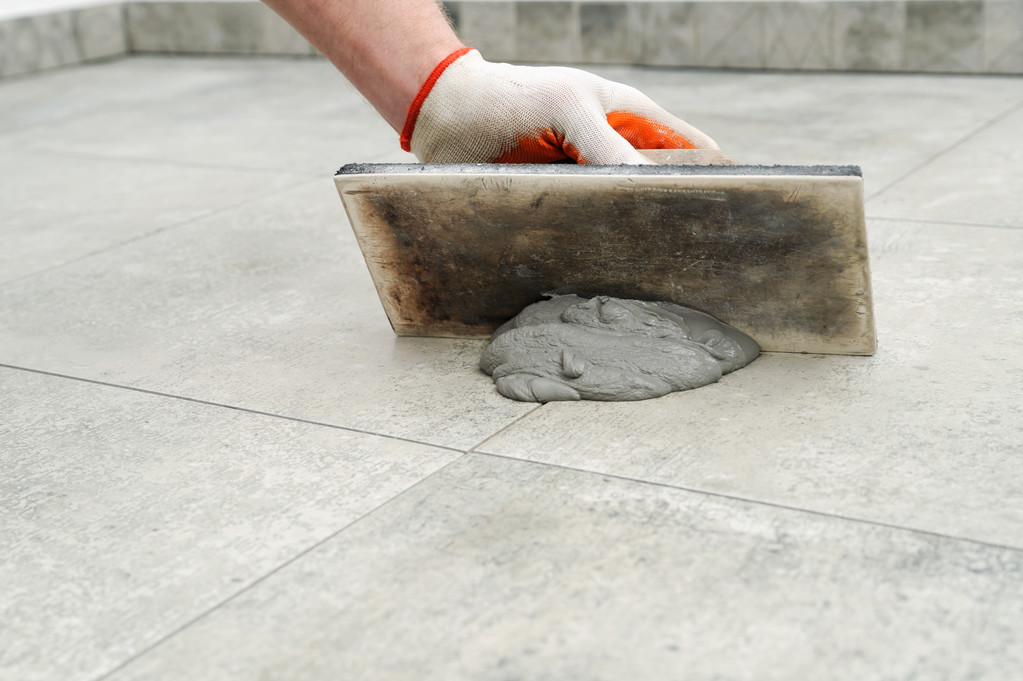
Modern grouts are designed for performance too. Nicobond Grout Pro Flexible is a fast setting, highly flexible grout with strong durability. It resists efflorescence, has anti-mould properties, and uses AquaBlok Technology to repel water. It’s suitable for ceramic, porcelain, glass, and natural stone tiles, and works well in areas where slight movement may occur. It’s also available in a range of colours to match sealants for a neat finish.
Flexible grout is especially important for floors or busy areas, as it helps prevent cracking caused by movement or temperature changes.
Sealers: Matt vs Polished and Porcelain Considerations
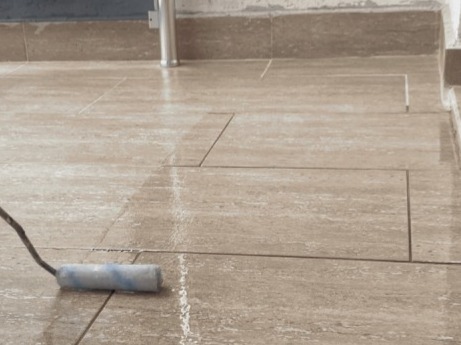
Sealers help protect tiles and grout from stains, moisture, and wear. The right choice depends on the tile finish.
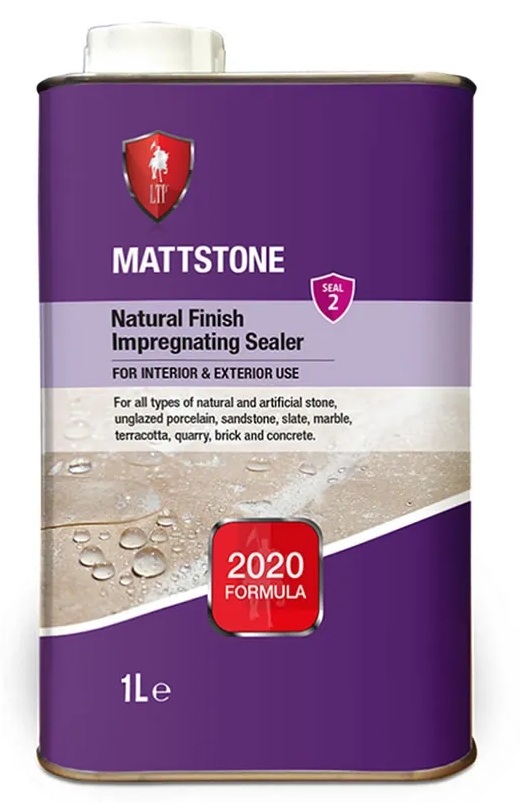
For a natural look, LTP Mattstone Impregnating Tile Sealer is ideal. It gives a matt finish with very little change to the tile’s appearance and works well on surfaces like travertine, slate, terracotta, and unpolished marble. It also helps protect against everyday stains like coffee and wine.
If you prefer a slight shine, LTP Ironwax Satin Slate Tile Sealer provides a durable, semi-gloss finish. It’s suitable for materials like slate and quarry tiles, but not for wet areas.
For polished surfaces, LTP MPG Polished Tile Sealer is designed to protect while keeping a high-gloss finish. It’s suitable for polished marble, granite, limestone, slate, and even polished porcelain, offering strong protection from water, oil, and dirt.
Natural stone tiles such as limestone, marble, and travertine are porous and must always be sealed. For best results, apply an impregnating sealer first, then finish with a top coat like LTP Grout & Tile Protector. This adds an extra layer of protection against water, grease, and limescale, making cleaning easier, especially in wet areas.
Porcelain tiles are usually non-porous and don’t need sealing. However, polished porcelain can sometimes benefit from sealing due to tiny surface pores, so it’s always best to check manufacturer advice.
Cleaning Solutions and Tile Sensitivity
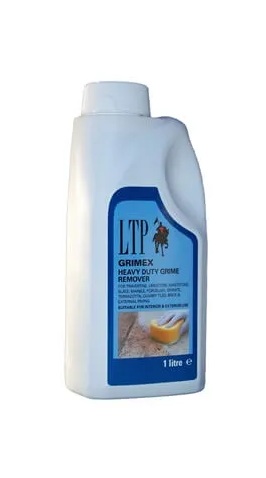
Using the right cleaner is just as important as installation. LTP Grout Stain Remover is very effective at removing grout haze, cement residue, and mineral deposits. It can also be used for cleaning outdoor surfaces like patios and works on ceramics, terracotta, and some stone.
Natural stone needs extra care, as it can be damaged by strong or acidic cleaners. Materials like marble and limestone should always be cleaned with gentle, pH-neutral products.
Porcelain tiles are more durable but still benefit from proper cleaning to keep them looking their best.
Final Thoughts
Choosing the right adhesive, grout, sealer, and cleaner will help ensure your tiling project looks good and lasts for years. By understanding the differences between materials and where they work best, you can achieve a strong, professional finish.